Book Specification Repository
Bringing book specifications into one place, simplifying how publishing data moves through the printing process.

Overview
LSC Communications worked with some of the largest publishers in the industry, including McGraw-Hill, Pearson, Random House, and HarperCollins. Behind every print order was a set of detailed specifications that helped guide how a book would be produced.
Those specifications came in different formats and were managed across multiple databases, making them increasingly difficult to track, update, and share. As print runs became shorter and order volumes grew, the existing process was becoming harder to manage.
We worked with LSC to create the Book Specification Repository, a centralized application for organizing book specifications and making that information easier to access across the printing process.
- Year
- 2018
- Role
- UX Design Lead
- Scope
- Visual Identity
- UX/UI
- Design System
- Platform
- Web App
Bringing consistency to complex data
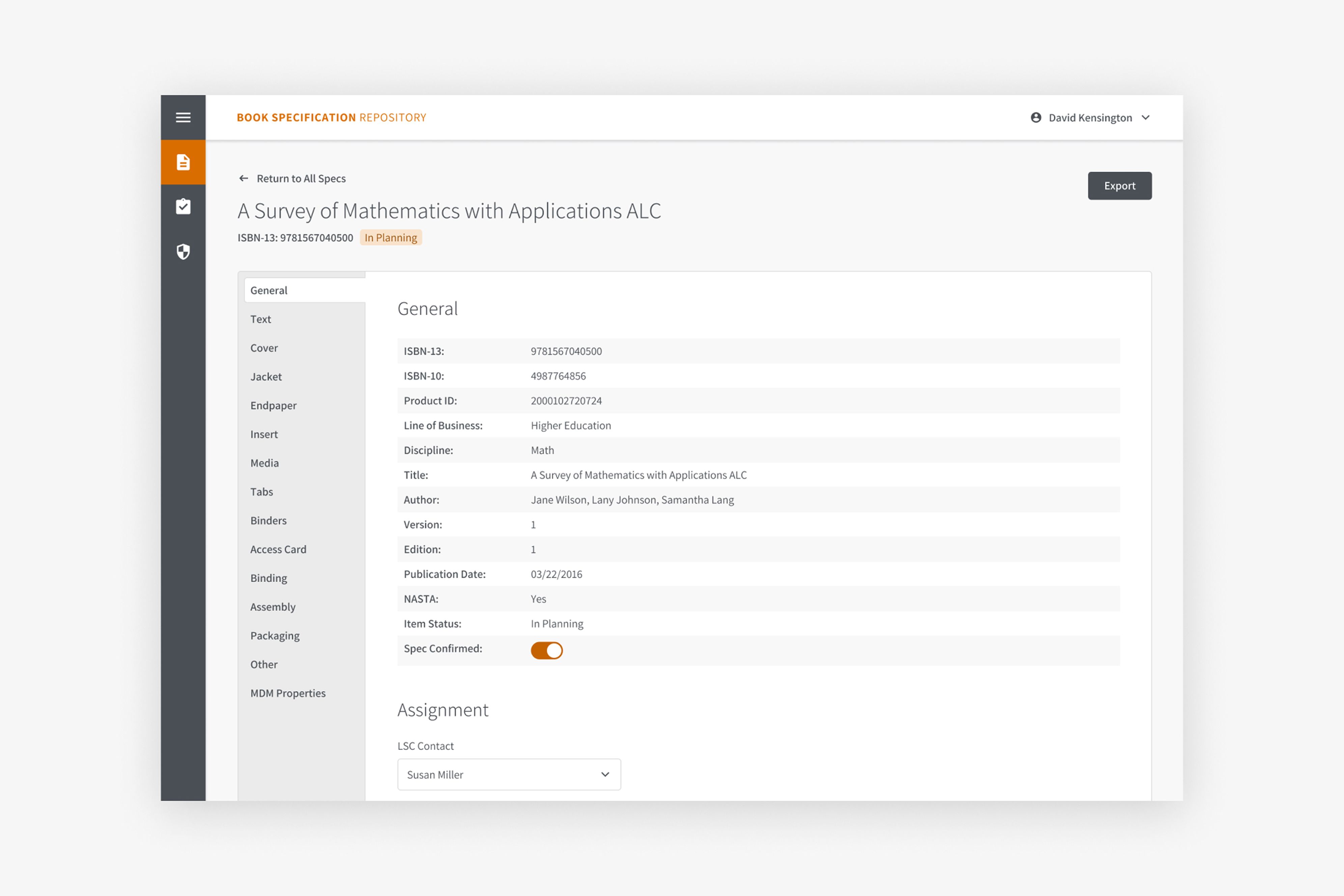
One of the first challenges was understanding just how much information went into a book specification. Our team identified and mapped nearly 400 individual properties, then organized them into a standardized structure based on the XML Book Industry Transaction Standards (XBITS).
This gave LSC a consistent way to exchange specification data across its systems, reducing the need to work with different formats and helping information move more reliably from planning through manufacturing.
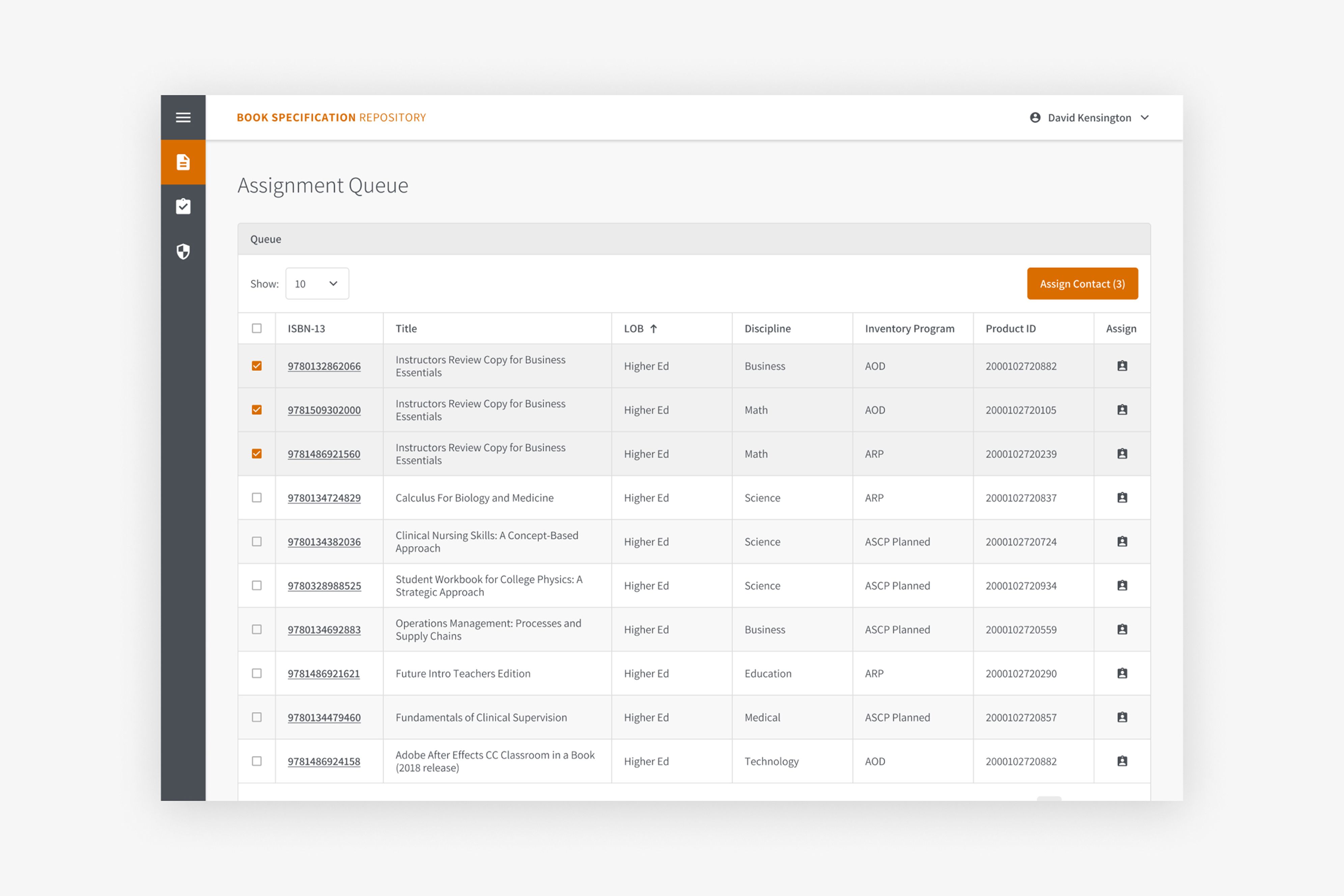
The interface needed to make all of that information easy to scan and update. We focused on clear organization, straightforward inputs, and a structure that helped users find the details they needed without getting lost in the data.
From manual to automated
The rise of print-on-demand and shorter production runs meant LSC was handling more frequent orders. The existing tools relied on manual processes and disconnected databases, making it difficult to keep up.
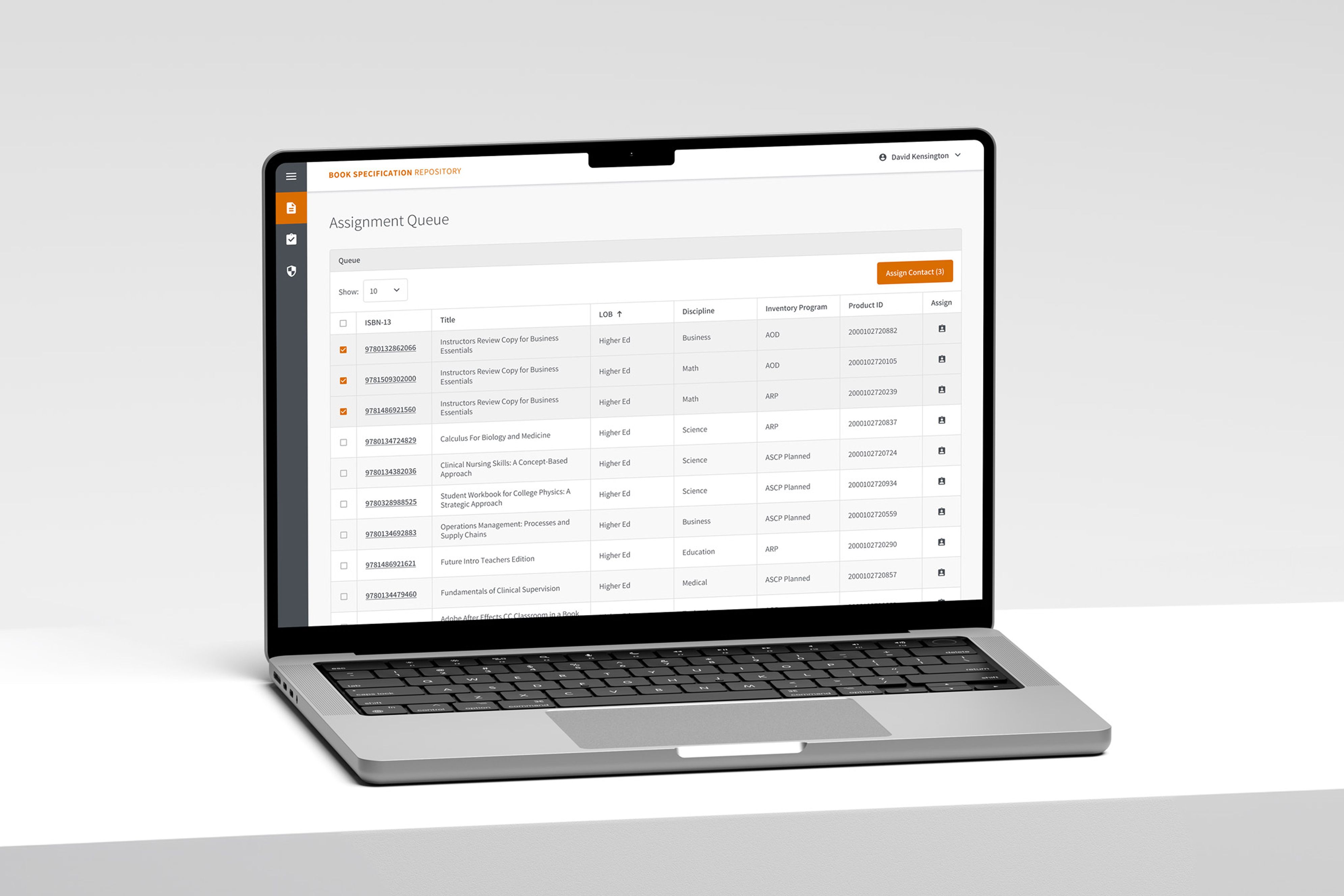
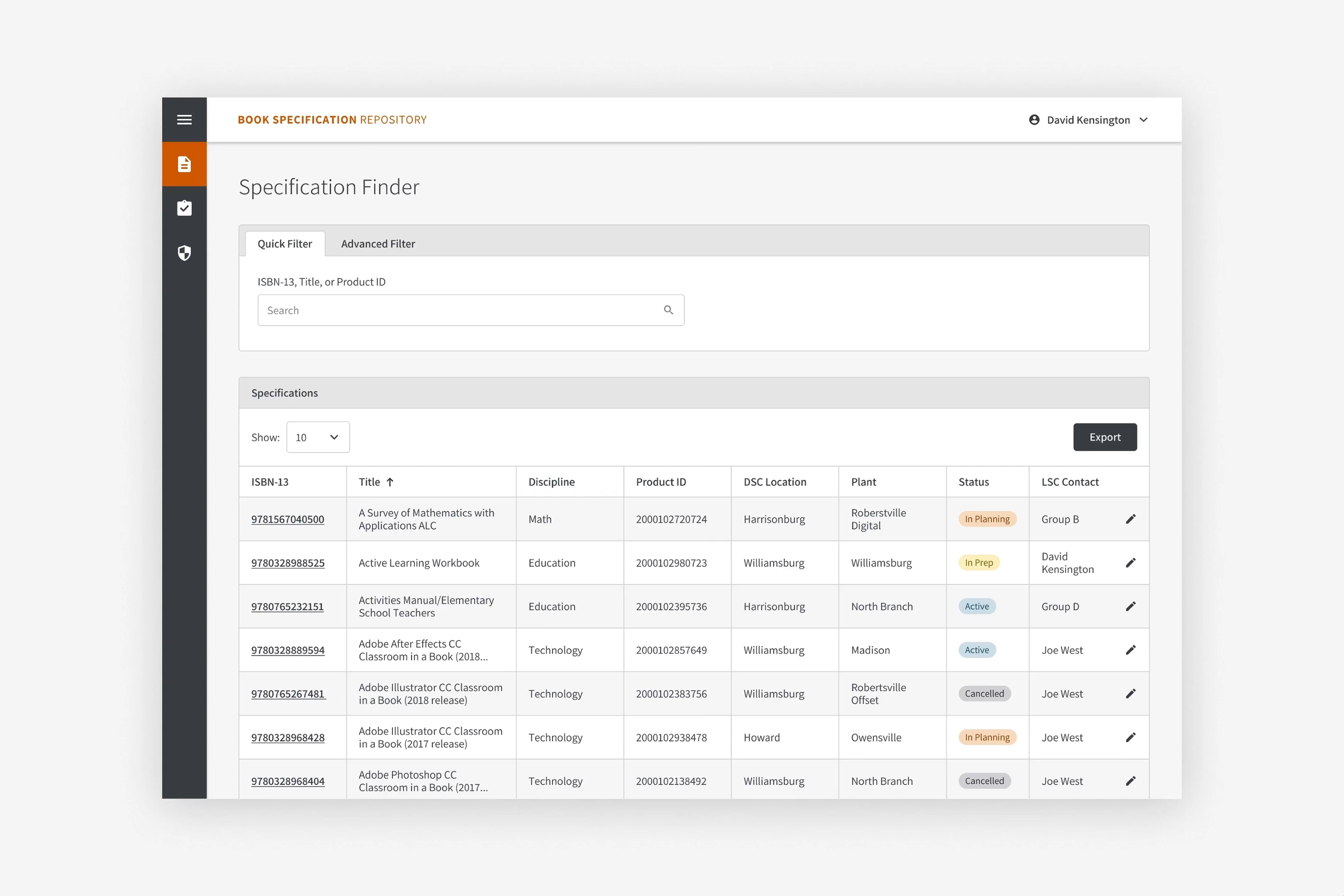
The Repository brought those workflows into one place. Staff could search and filter specifications, assign titles for review, manage production details, and access forecasting information without jumping between systems.
By automating key parts of the process and consolidating information, the application helped reduce manual work and made it easier for teams to manage a growing volume of orders.
Finding the right balance
With so much technical information to work through, clarity and accuracy were especially important. We wanted the application to feel efficient and straightforward without sacrificing the functionality users needed to do their jobs.
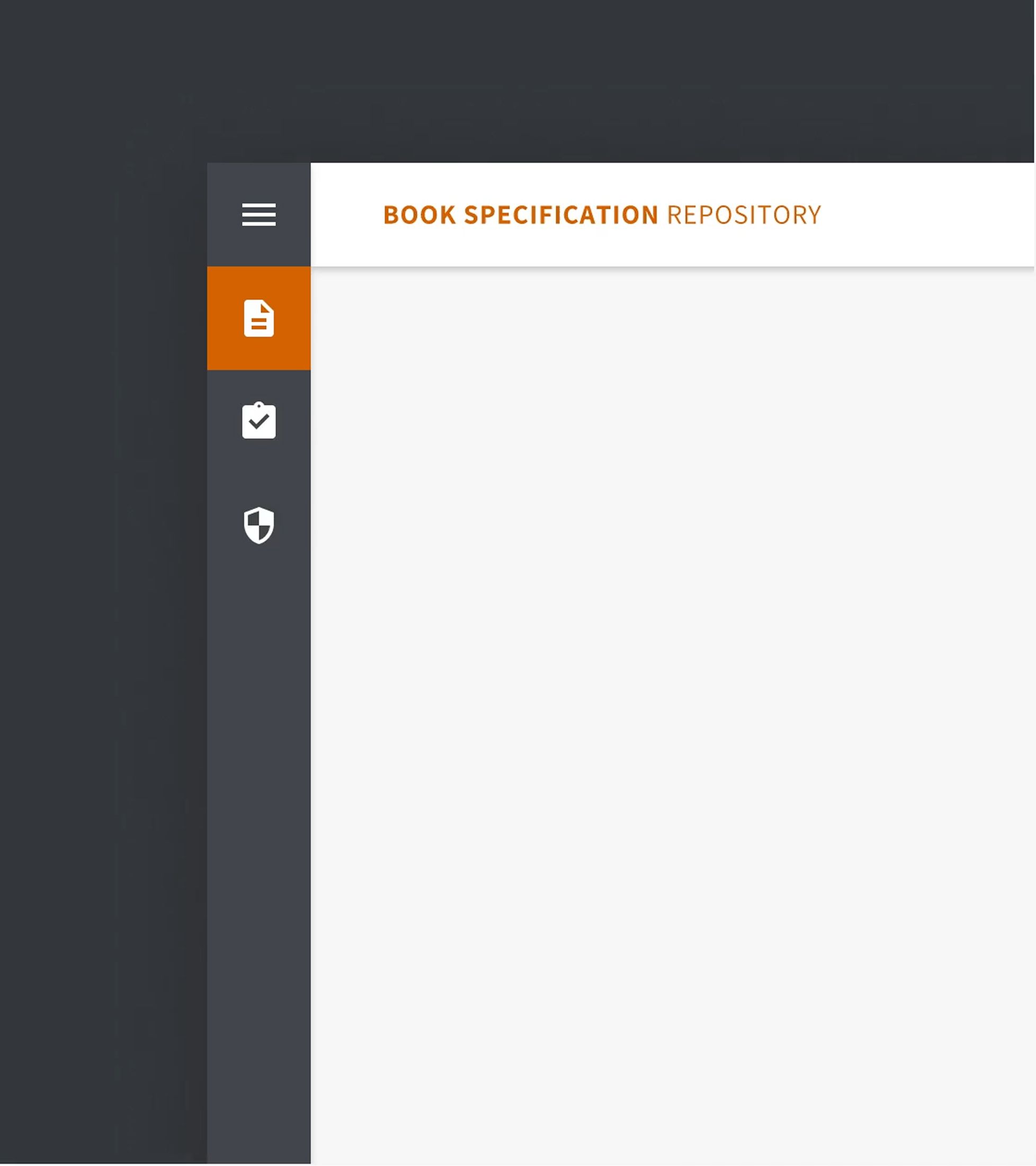
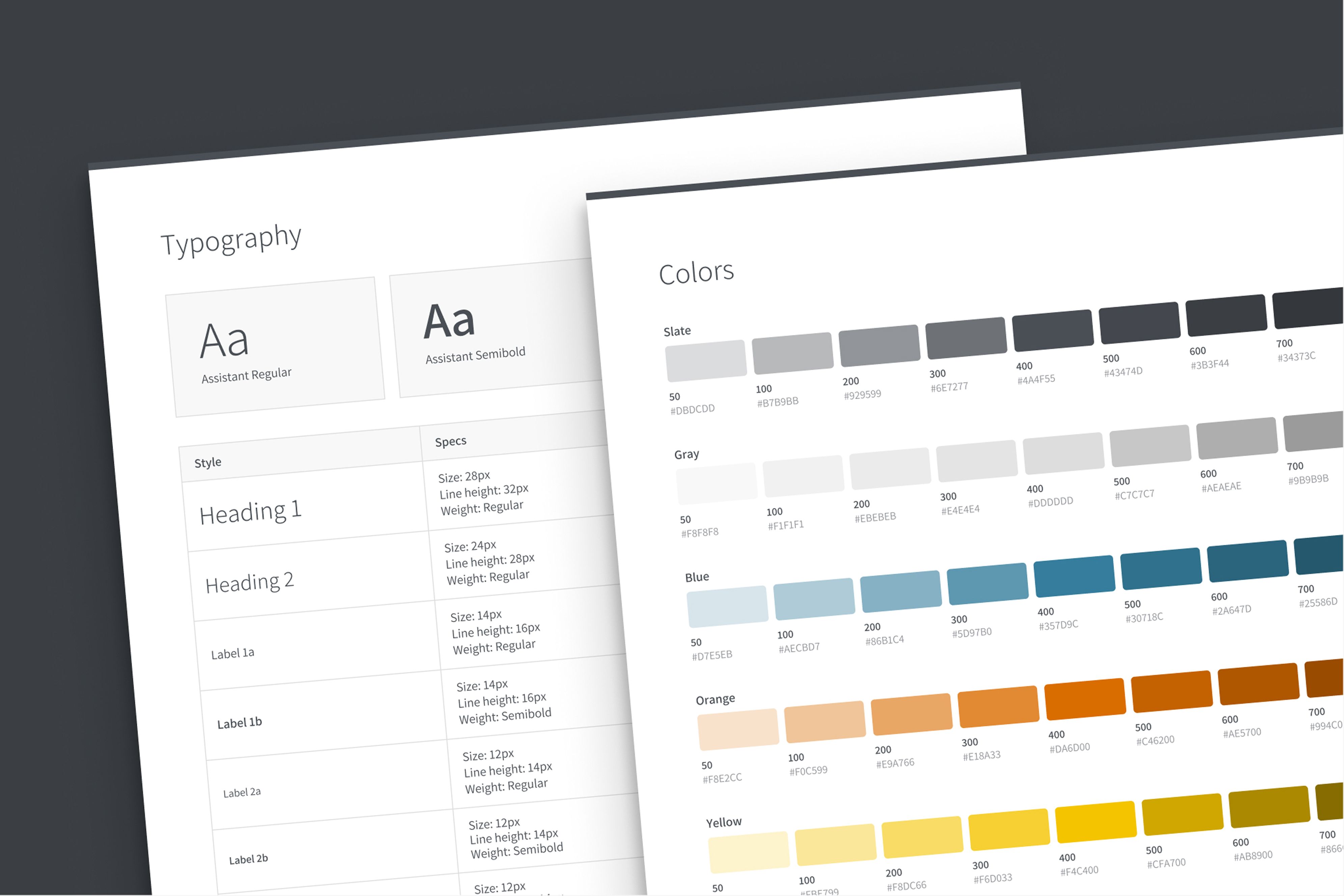
The visual design used LSC’s signature orange alongside grounding blue tones, bringing a little personality to an otherwise data-heavy interface. Tables, forms, filters, and status indicators were designed to make information easier to navigate and understand.

Scaling with a design system
Before this project, our team had established a flexible design system for RR Donnelley, LSC’s former parent company. The Book Specification Repository gave us an opportunity to build on that foundation.
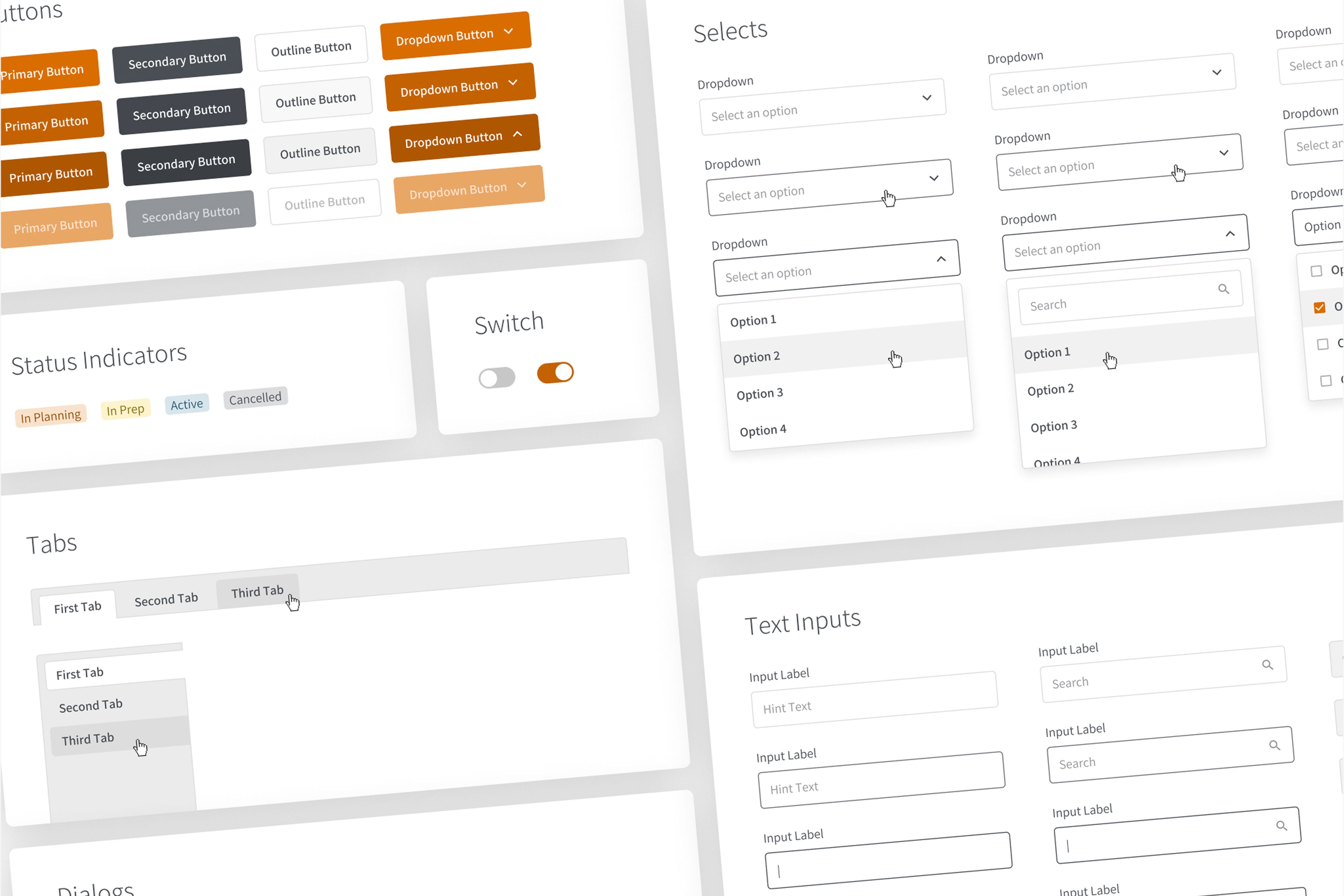
We extended the existing system with additional components to support the application’s more complex data and workflows. This helped keep the experience consistent with other products while giving the team the flexibility to build what the Repository needed.
It also meant we could move faster without starting from scratch, while creating components that could support future products and features.
The results
The Book Specification Repository launched initially for Pearson, one of LSC’s largest publishing clients. By bringing specification data and related workflows into a centralized system, the application helped streamline communication and improve operational efficiency.
The improvements contributed to shorter printing times and cost savings for both Pearson and LSC, strengthening an important client relationship.
The platform also gave LSC a foundation to support additional publishing clients, with a more consistent and efficient way to manage specifications as the business grew.